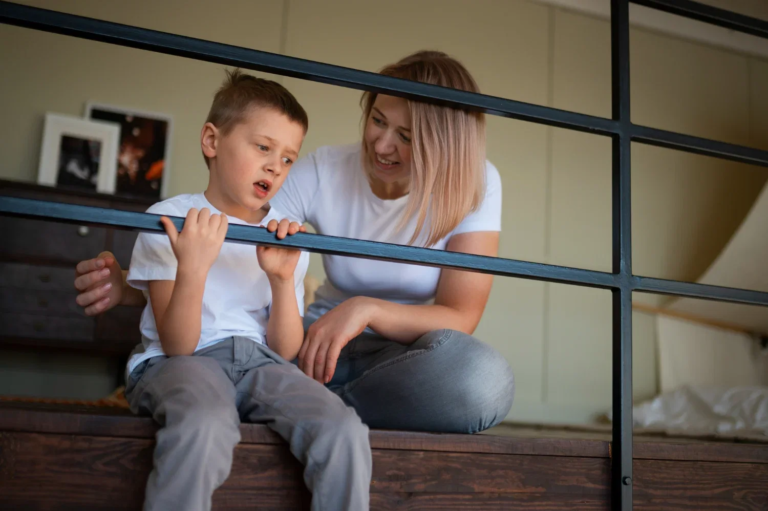

Two Perspectives on Separation Anxiety in Young Families
Separation anxiety is a natural part of early childhood and an emotional experience that many young families encounter. Whether it happens when a parent returns to work, a child starts daycare, or a family member leaves for a short trip, separation can be challenging for everyone involved. While much attention is often given to the child’s emotions, parents also experience their own form of separation anxiety, creating two interconnected perspectives that shape the family’s adjustment.
Understanding both viewpoints can help families navigate this developmental stage with greater empathy, patience, and confidence. Rather than viewing separation anxiety as something to fear, it can be recognized as a sign of the strong, loving bonds that children and parents have built together.
Understanding Separation Anxiety
Separation anxiety refers to the distress a child may feel when separated from a primary caregiver. It commonly appears during infancy and toddlerhood as children become more aware of the people they trust and depend on.
At the same time, parents may experience worry, guilt, sadness, or uncertainty when leaving their child in someone else’s care. These emotions are equally valid and often reflect the deep attachment parents have formed with their children.
Recognizing both experiences allows families to approach separation as a shared transition rather than a one-sided challenge.
The Child’s Perspective
For young children, parents represent comfort, safety, and familiarity. When that trusted caregiver leaves, even for a short period, the world can suddenly feel uncertain.
A child experiencing separation anxiety may:
- Cry when a parent leaves.
- Cling to a caregiver.
- Resist going to daycare or preschool.
- Become unusually quiet or withdrawn.
- Have trouble sleeping.
- Show changes in appetite.
- Ask repeatedly when a parent will return.
These reactions are often part of normal emotional development rather than signs of poor adjustment.
Why Separation Feels So Big to Children
Young children are still learning that separations are temporary. They may not yet understand concepts like time or schedules, making even a brief absence seem much longer than it actually is.
As children grow and repeatedly experience caregivers leaving and returning, they gradually develop confidence that separations are temporary and that trusted adults will come back.
This growing understanding supports emotional security and independence over time.
The Parent’s Perspective
Parents often prepare carefully for practical aspects of separation—packing lunches, organizing childcare, and creating schedules—but the emotional side can be equally significant.
Many parents experience feelings such as:
- Worry about their child’s well-being.
- Guilt about returning to work.
- Sadness during the first daycare drop-off.
- Concern about missing milestones.
- Uncertainty about whether they’re making the right decisions.
These emotions are common, especially during major family transitions.
Why Parents Experience Separation Anxiety
Parents develop strong emotional attachments from pregnancy or early caregiving experiences. Daily routines of feeding, comforting, playing, and responding to a child’s needs strengthen these bonds.
When separation becomes necessary, parents may feel a temporary loss of their caregiving role, even when they know their child is in safe hands.
Balancing emotional attachment with growing independence is part of the parenting journey.
Building Trust Through Consistent Routines
Predictable routines help both children and parents adjust to separation.
Simple habits can include:
- Saying goodbye with a consistent phrase.
- Giving a hug before leaving.
- Talking about when you’ll return.
- Following similar morning routines.
- Maintaining regular pickup times whenever possible.
Consistency creates a sense of security and helps children understand what to expect.
The Importance of Calm Goodbyes
Lengthy or uncertain goodbyes can sometimes increase anxiety for both parent and child.
A warm, confident farewell communicates reassurance without creating unnecessary stress.
For example:
- Offer a hug.
- Smile.
- Say goodbye clearly.
- Remind your child you’ll return.
- Leave as planned.
Although tears may still happen, consistent routines often make future separations easier.
Supporting Emotional Expression
Children benefit when adults acknowledge their emotions instead of dismissing them.
Helpful responses include:
- “I know you’re sad that I’m leaving.”
- “You’ll have fun, and I’ll be back after your afternoon snack.”
- “It’s okay to miss me.”
These responses validate emotions while providing reassurance.
Parents also benefit from acknowledging their own feelings rather than expecting themselves to remain emotionally unaffected.
Working Together With Caregivers
Whether a child attends daycare, preschool, or stays with relatives, open communication between parents and caregivers supports smoother transitions.
Sharing information about:
- Comfort items.
- Favorite activities.
- Nap schedules.
- Food preferences.
- Emotional triggers.
allows caregivers to respond more effectively to a child’s needs.
Knowing their child is understood often helps parents feel more comfortable as well.
Comfort Objects Can Help
Many children find reassurance in familiar items from home.
Comfort objects may include:
- A favorite blanket.
- A stuffed animal.
- A family photo.
- A small toy.
- A comforting note for older children.
These familiar objects can provide emotional security during periods of separation.
Encouraging Independence Gradually
Independence develops step by step.
Parents can build confidence by allowing children to practice short separations before longer ones.
Examples include:
- Spending time with grandparents.
- Staying with a trusted babysitter.
- Participating in short group activities.
- Visiting preschool before the first full day.
Gradual exposure helps children gain confidence while reassuring parents that their child can adapt successfully.
Taking Care of Parents, Too
Parents often focus entirely on supporting their child while overlooking their own emotional needs.
It can help to:
- Talk with supportive friends or family members.
- Share concerns with a partner.
- Celebrate small milestones.
- Remember that adjustment takes time.
- Trust the caregiving choices you’ve made.
Feeling emotional during periods of separation doesn’t mean you’re doing something wrong—it reflects the importance of the parent-child bond.
When Separation Becomes Easier
For many families, separation anxiety gradually decreases as routines become familiar.
Children begin forming relationships with teachers, caregivers, and peers while developing confidence in new environments.
Parents also gain reassurance as they see their children learning, growing, and enjoying new experiences.
Over time, departures often become quicker, calmer, and more predictable.
When Additional Support May Be Helpful
Although separation anxiety is a normal part of development, some situations may benefit from additional guidance. If anxiety is intense, lasts well beyond typical developmental stages, or significantly interferes with a child’s daily activities, speaking with a pediatrician or a qualified child mental health professional can provide helpful strategies and reassurance.
Early support can make transitions easier for both children and parents when extra challenges arise.
Growing Together Through Change
Every separation represents a small step toward independence for the child and growing confidence for the parent. These experiences teach children that they can explore the world while remaining securely connected to the people who love them.
Likewise, parents learn that supporting independence doesn’t weaken their relationship with their child—it strengthens it by building trust, resilience, and confidence on both sides.
Conclusion
Separation anxiety is a shared experience that affects both children and parents in meaningful ways. While children may express their emotions through tears, clinginess, or hesitation, parents often experience their own feelings of worry, guilt, or sadness. Recognizing these two perspectives allows families to approach separation with empathy rather than frustration.
Through consistent routines, open communication, emotional support, and patience, young families can navigate this stage successfully. As children grow more confident and parents become more comfortable with temporary separations, both discover that love and connection remain strong—even when they are apart.